The Complete Works of Naguib Mahfouz, 10 Volumes
Product details
Naguib Mahfouz was the first Arab to win the Nobel Prize in Literature. He wrote from the early 1940s until 2004. All his novels are set in Egypt, and a recurring theme is the alleyway, which serves as a microcosm of the world. His most famous works include the Cairo Trilogy and Children of Gebelawi, which was banned in Egypt from its publication until recently. While Mahfouz's literature is generally classified as realist, existential themes are also present. He is the most adapted Arab writer for film and television.
Naguib Mahfouz began writing in the mid-1930s, publishing his short stories in the magazine Al-Risala. In 1939, he published his first novel, *Abath Al-Aqdar* (The Futility of Fate), which presented his concept of historical realism. He then published *Kifah Tayba* (The Struggle of Thebes) and *Rhadopis*, completing a historical trilogy set in the time of the pharaohs. Beginning in 1945, Mahfouz embarked on his realist novelistic path, which he maintained for most of his literary career, with *Cairo Modern*, followed by *Khan Al-Khalili* and *Zuqaq Al-Midaq*. He experimented with psychological realism in *Al-Sarab* (The Mirage), then returned to social realism with *Bidaya wa Nihaya* (The Beginning and the End) and the Cairo Trilogy. Later, Mahfouz turned to symbolism in his novels *Al-Shahhadh* (The Beggar) and *Awlad Haretna* (Children of Gebelawi), which provoked strong reactions and incited an assassination attempt against him. In an advanced stage of his literary career, he also turned to new concepts such as writing on the borders of fantasy, as in his novel (The Harafish, Arabian Nights), and writing mystical confessions and dreams, as in his works (Echoes of an Autobiography, Dreams of the Recovery Period), which were characterized by poetic condensation and the explosion of language and the world. On the one hand, Mahfouz’s works are considered a mirror of social and political life in Egypt, and on the other hand, they can be considered a contemporary record of human existence and the human condition in a world that seems to have abandoned God or been abandoned by God. They also reflect the vision of intellectuals, with their different tendencies towards power.
Although he began writing early, Naguib Mahfouz did not receive much attention until the late 1950s. He remained largely ignored by critics for nearly fifteen years before critical interest in his work began to emerge and grow. Nevertheless, Sayyid Qutb wrote about him in Al-Risalah magazine in 1944, and was the first critic to discuss the novel *Cairo Modern*. He also disagreed with Salah al-Din Zahni regarding the novel *The Struggle of Thebes*. Muhammad al-Jawadi wrote about him in *In the Shadows of Politics: Naguib Mahfouz the Novelist Between Idealism and Realism*, a critical and analytical literary study. Al-Hayat newspaper also wrote about him on the eighth anniversary of his death: "Who Is He?"
Regular price
699.00 Ð
Sale price
699.00 Ð
Regular price
850.00 Ð
Unit price
size:
0

The Complete Works of Naguib Mahfouz, 10 Volumes
Regular price
699.00 Ð
Sale price
699.00 Ð
Regular price
850.00 Ð
Unit price
A distinctive collection

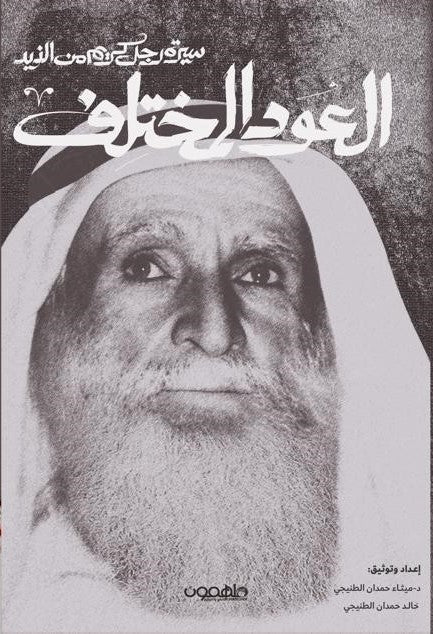
The different oud
Dar Molhimon
Regular price
65.00 Ð
Sale price
65.00 Ð
Regular price
75.00 Ð
Unit price