Islamic Central
Product details
Returning to the major texts of Islamic culture throughout the Middle Ages clearly shows that the image of the other is confused, composed to a great extent of distortion. The Islamic imagination, which symbolically and representationally expresses the Muslims' perception of the world outside the abode of Islam, has produced derogatory images of the other. For that imagination, the world is ignorant, ambiguous, far from the truth, and waiting for a correct doctrine to deliver it from its error. The biases specific to that representation are not hidden, which was based on a dual mechanism that took two forms: with regard to the self, the "representation" produced a kind of pure, vital, transcendent "self," which includes absolute correctness, high values, and eternal truth; This approach infused all its actions with a set of carefully chosen moral meanings. Regarding the "other," it produced a "representation" characterized by tension, ambiguity, and sometimes emotional outbursts, and at other times by lethargy and indolence. It went even further with respect to peoples in remote areas, describing them as misguided, animalistic, savage, and bohemian. In doing so, it excluded any moral meanings acceptable to it and precluded any hope of its acceptance by the cultural system. Thus, the "other" was burdened, through a specific interpretation, with values arranged in a hierarchical order to clash with Islamic values. In this way, "representation" fabricated a distinction between the self and the other, leading to a series of hierarchical contradictions that facilitate the possibility of the former penetrating the latter, liberating it from its lethargy, misguidance, bohemianism, and savagery, and integrating it into the realm of truth. This is the ultimate outcome of all cultural, ethnic, and religious centrisms.
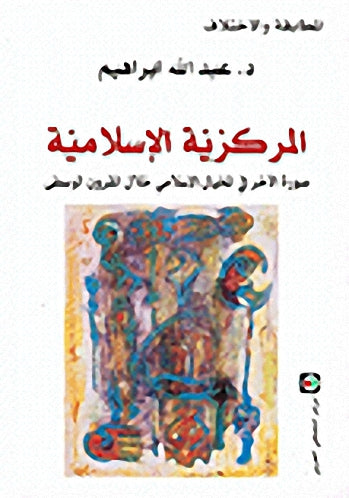
Islamic Central
A distinctive collection
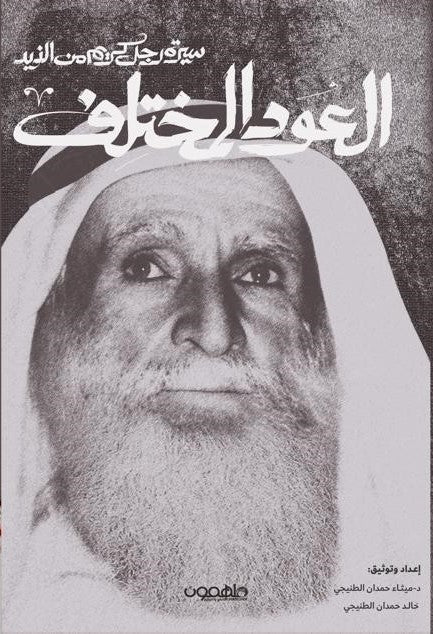
The different oud