Our discomfort with a situation varies depending on how much control we have over it. If we can do something about it, we tend to be fine: we get a flat tire, fix it; we get a toilet that overflows, call a plumber and clean up the mess; we speak harshly to our children when we're tired, and then apologize. It's situations we can't fix, or people we can't change, that truly upset us. When a doctor uses the words "incurable" and "cancer" in the same sentence, the tragedy takes on a whole new meaning. When a close friend turns on us and betrays our trust, there's no guarantee that our response will "make things better." And when a manager is simply irrational and doesn't listen to logic, we may not be able to change them. So what about these situations? How do we get rid of these tragedies? It is like rhythmic movements between two people, where each tries to keep up with their partner, but neither is entirely sure of what the latter will do. When one of them takes a step that the other does not expect, the latter struggles to respond in a way that keeps them continuing to perform these rhythmic movements together, each responding to the other's response, and the rhythmic movements continue back and forth as each tries to deal with the differences.

People can't drive you crazy unless you give them the keys.
Product details
|
|
Regular price
55.00 Ð
Sale price
55.00 Ð
Regular price
65.00 Ð
Unit price
size:
0

People can't drive you crazy unless you give them the keys.
Regular price
55.00 Ð
Sale price
55.00 Ð
Regular price
65.00 Ð
Unit price
A distinctive collection
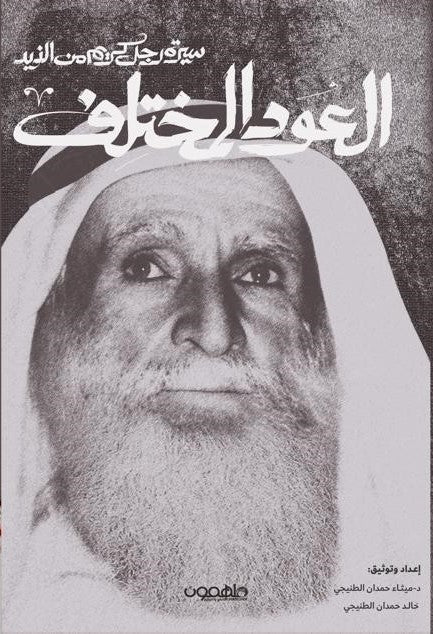
The different oud
Dar Molhimon
Regular price
65.00 Ð
Sale price
65.00 Ð
Regular price
75.00 Ð
Unit price